
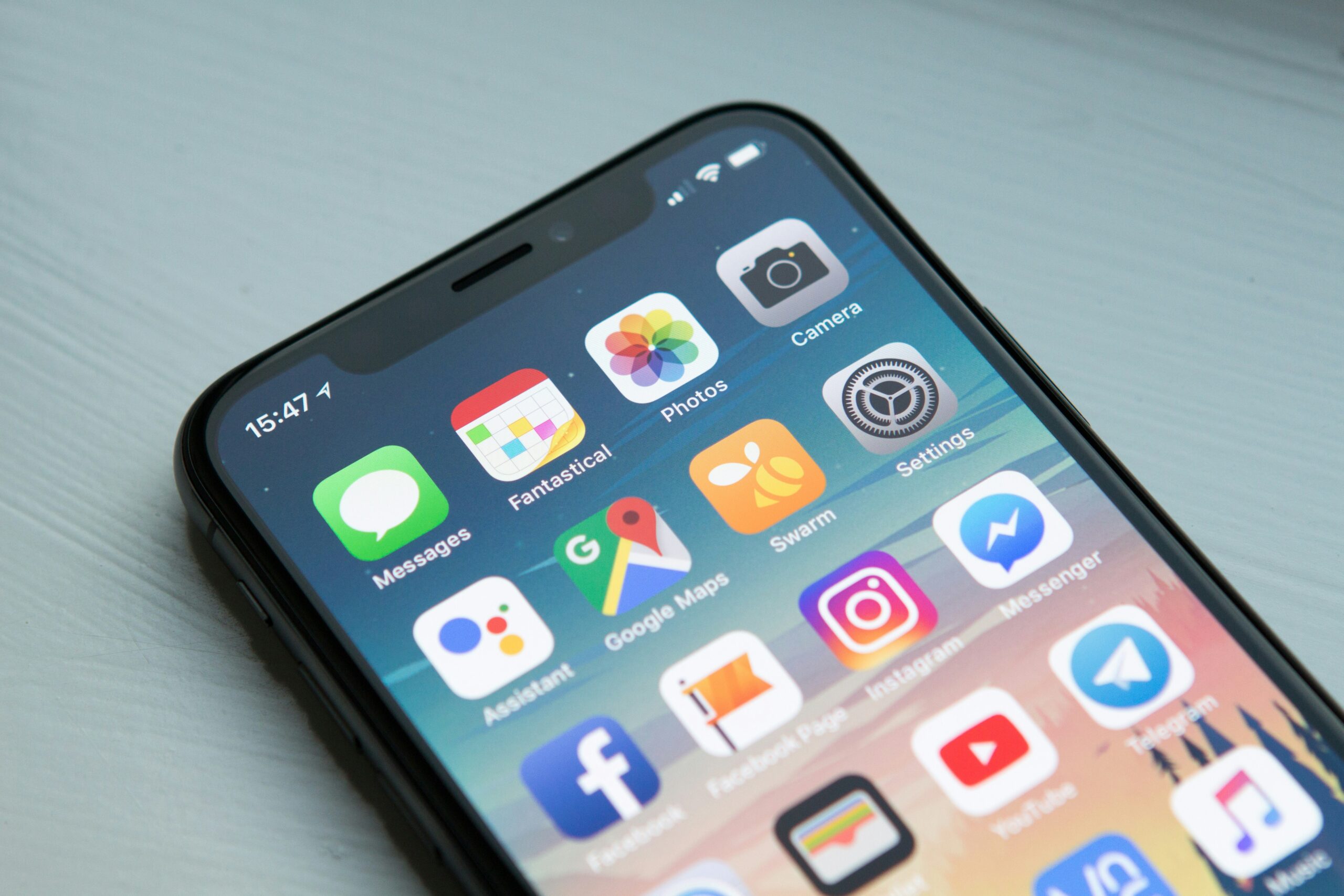
Smartphones look simple from the outside, yet they hold more tools than most people realise. They go far beyond photos, emails, or navigation. What happens when those tiny features, hiding in plain sight, start offering services that used to need separate gadgets?
Game Features Stretch Far Beyond Entertainment
Game developers take full advantage of phone sensors, processors, and connectivity. Touch response, vibration, and even microphone input have made gaming more sensory and fluid. Fast processors now handle complex worlds without slowing down the device.
AR games like Pokémon Go use the camera and GPS together to turn physical locations into part of the experience. Tilt and motion sensors detect direction and pace, which makes phone-based racing and sports games feel more alive.
Other platforms use these same tools for player convenience. In online casino platforms, payment tools built into phones handle deposits and withdrawals with security protocols like biometric authentication. These services support smooth transactions so that players can collect bonuses, access diverse game libraries, and explore new titles.
Quick logins with facial recognition can possibly also keep activity secure without the need for passwords. These same mechanisms support spending limits, time tracking, and session timers, all powered by built-in phone tools.
Sky Scanning Becomes Possible Through the Camera and Sensors
Smartphones can track the stars by pairing GPS with motion sensors and augmented reality. With apps like Sky Guide or Star Walk 2, anyone can hold up the phone and see planets, constellations, and satellites displayed on the screen. Starlink satellites, for instance, have been visible with these tools since their early launches in May 2019.
These features work together smoothly. The phone detects the user’s position and angle while the app calculates the visible section of the sky. A star appears on the screen exactly where it is in the sky. The camera overlays constellations or planets using real-time input.
Updates from databases like Hipparcos and GAIA ensure accuracy, while atmospheric conditions can be considered by connecting to weather apps. Without any telescope, a phone can reveal hundreds of celestial points with exact coordinates and data on each one.
Environmental Noise Turns Into Useful Information
Sound level meters used to need handheld tools with special sensors. Now, a smartphone microphone captures ambient sound and converts it into decibels through apps like Decibel X or Sound Meter.
These apps use A-weighted filters, the same method used by environmental noise guidelines in the UK. Readings are displayed with colour-coded scales that mark typical ranges like quiet libraries (30–40 dB) or busy streets (70–85 dB).
People use this to test home office setups, check noise in shared workspaces, or even ensure speakers stay below harmful levels. Construction workers can measure machinery output quickly. Even musicians use this for quick balance checks during practice.
Phone microphones vary across models, yet many record reliably between 30 dB and 120 dB. With precise readings and recording options, the phone becomes a pocket-sized sound lab.
Instant Translations Appear Through the Lens
Language barriers shrink when the phone camera meets text recognition software. Google Lens and Apple Live Text scan printed words in real time and replace them with translated text over the original surface. These apps combine optical character recognition with cloud-based translation services. A menu, road sign, or instruction booklet becomes readable within seconds.
Languages with different alphabets or characters translate equally smoothly. Whether it’s Thai, Arabic, or Japanese, the engine detects the language and replaces it with the chosen output. The words appear in matching size and location, which makes the translation easy to follow.
Augmented Reality Turns a Phone Into a Measuring Tool
Phones with LiDAR or depth sensors take measurement apps to a new level. The Apple Measure app on iPhone 12 Pro and later, and Android apps like AR Ruler, detect flat surfaces and calculate distances using the camera feed and sensor input. Measurements update as the phone moves, showing real-time results on screen.
These tools work well for checking if furniture fits, measuring wall space, or even marking alignment for home improvements. LiDAR scanners shoot laser points and measure how long the signal takes to return. This allows fast and accurate depth reading. With precision reaching within a few centimetres, these tools replace tape measures for basic tasks.
Drawing and Painting Evolve Without a Brush
Phones can create artwork using fingers on the screen. Apps like Procreate Pocket and Adobe Fresco offer pressure simulation, brush libraries, and layering tools. The screen acts like a canvas, and finger strokes turn into precise marks, thanks to smoothing tools and pressure adjustments.
With over 190 brushes in Procreate Pocket and canvas sizes up to 16k resolution, a phone allows detailed digital painting on the go.
People sketch landscapes, comic characters, or even architectural drafts directly on their phone screen. The tools support layering, blending, and exporting to formats like PSD or PNG. With palm rejection settings and zoom gestures, working on small screens becomes more manageable.
Every Phone Becomes a Scientific Tool
A phone takes on roles that once needed full equipment, and combines them through built-in tools. What looks like a social device turns into a lab, a translator, a sketchpad, or a telescope. The tools feel casual, yet their results are measurable, visible, and useful. The phone stops being only a screen and starts working like a field kit with real purpose.