
Hey there ztoog lovers : 2026 is drowning in AI. It’s built into everything from your washing machine to your lightbulbs. But walking the floors of CES and living with this stuff for a few months shows something clear: most of it is fluff, but the gadgets that actually work are revolutionizing how we move, sleep, and work.
Welcome to the odyssey. This isn’t a list of press releases; it’s the gear that made it through the hype and earned a place in daily life.
The Death of the Screen (On Your Wrist)
The biggest shift in 2026 is the rebellion against the smartwatch. We’re tired of buzzing wrists and yet another glowing rectangle begging for attention. The winners this year are the gadgets that quietly fade into the background.
Take the Oura Advisor. If you’ve got a Ring 4, this AI update is a killer app. Unlike a watch that nags you to stand up, the Advisor actually talks to you through text or voice. It doesn’t just hand you a “sleep score”; it figures out why you slept badly and suggests changes to your bedtime routine based on your own bio-rhythms. It’s the first time a wellness gadget has felt like a coach, not a critic.
But rings are getting smarter, not just reactive. The Dreame Haptic AI Smart Ring fixes the biggest flaw of the smart ring idea: it used to be too passive. In 2025, you had to check your phone to see if you were stressed. In 2026, the Dreame squeezes a vibration motor into a 2.5mm frame. It buzzes your finger for health alerts, navigation cues, or notifications. You keep your phone in your pocket. It feels almost magical.
The “Second Brain” Revolution
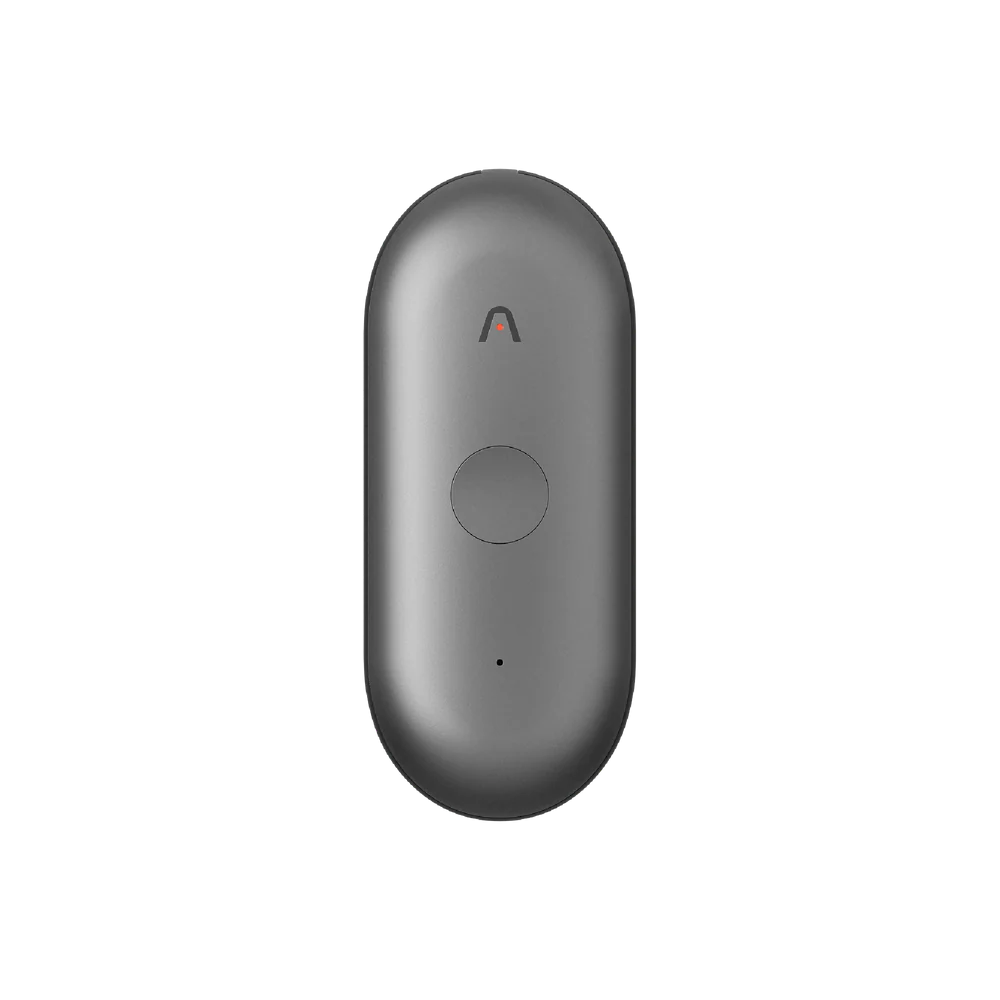
The hottest category of 2026 is wearable AI assistants that clip to your collar. We deal with memory lapses, meeting overload, and forgotten moments. The SwitchBot AI MindClip leads this space. It’s an 18-gram device that quietly records your daily conversations and meetings.
The honest review? It’s a bit odd to wear at first. But the usefulness is undeniable. It transcribes everything, builds to-do lists, and creates a searchable memory database. It’s like an external hard drive for your brain. For anyone with ADHD or a hectic schedule, this is life-changing. Likewise, the Plaud NotePin S refines the idea by adding a physical button. The first version relied on vague haptics; the new one gives a satisfying click for recording. It’s a small fix that makes a big difference.
The TV That Changes Everything
If you’ve got the budget, skip OLED. 2026 belongs to RGB LED and Micro RGB TVs. Brands like Hisense, Samsung, and LG are dropping the white backlight for real red, green, and blue diodes.
The LG G6 (or evo W6 “Wallpaper”) is a technical marvel. It’s absurdly thin, just over 9mm, and hangs flat on your wall like a poster. But the real win is the color volume. Reds look truly red, not orange-tinted. Whites are bright without washing out the blacks.
For gamers, the TCL X11L SQD-Mini LED is a beast. With 20,000 dimming zones and 10,000 nits of peak brightness, playing a horror game on this thing will make you jump out of your seat because the contrast feels real.
Computing Gets Weird (In a Good Way)
Laptops are boring, right? Not in 2026. Lenovo is leading the way with the ThinkPad Rollable XD Concept. You press a button, and the 13-inch screen physically unrolls into a 16-inch vertical display. It sounds like a gimmick until you try reading a long document or spreadsheet. The motor is silent, and the glass (Corning Gorilla Glass Victus 2) is tough.
For desk workers, the HP EliteBoard G1a is both funny and clever. It looks like a regular keyboard, but it’s actually a full computer. The entire system lives inside the keyboard. You just plug it into a monitor. For hot-deskers who hate lugging a laptop, this is the ultimate stealth setup.
And at the high end, the MSI Stealth 16 AI+ shows that local AI is the future. With Intel’s Panther Lake chip and an RTX 509, it runs large AI models locally without sending your data to the cloud. It’s also the first laptop that feels as premium as a MacBook Pro while still letting you upgrade the RAM.
Mobility for Humans (Exoskeletons)
The most emotional tech of 2026 isn’t a phone; it’s the Dnsys Z1 Exoskeleton. For years, exoskeletons were bulky industrial tools. The Z1 focuses on the knee. It uses AI to predict your muscle effort and assists your gait in real time.
For seniors or those recovering from injury, this isn’t just a gadget; it’s a return to freedom. It eases joint pain and makes climbing stairs feel effortless. Similarly, the Dephy strap, which wraps around your calf, gives you an extra “pep in your step.” It’s bio-hacking for everyone, not just athletes.
Smart Home: The Year of Practicality
Forget the sci-fi robots. The best smart home gadget of 2026 is the Aqara Thermostat Hub W200. Why? Because it ends the fragmentation. It’s a thermostat with a built-in Matter hub and a screen that shows your video doorbell. You walk up, see who’s at the door, and unlock it—all from one wall panel. It’s the “kill switch” for the ten different apps you currently use to manage your home.
The Roborock Saros Rover also deserves applause. A robot vacuum that grows legs? Yes. It physically climbs stairs to clean multiple floors. It moves slowly, but watching a vacuum tackle a staircase is the most “future is here” moment you can have in 2026.
The Honest Verdict
2026 is the year tech stopped trying to impress us with specs and started trying to help us. We’ve got rings that keep us grounded, glasses (like the Xreal 1S and Rokid AI Glasses) that show screens only when we want them, and exoskeletons that keep us moving.
The best gadget of 2026 isn’t the one with the fastest processor; it’s the one you forget you’re even wearing.
BOB STEWART