
July 29, 2026
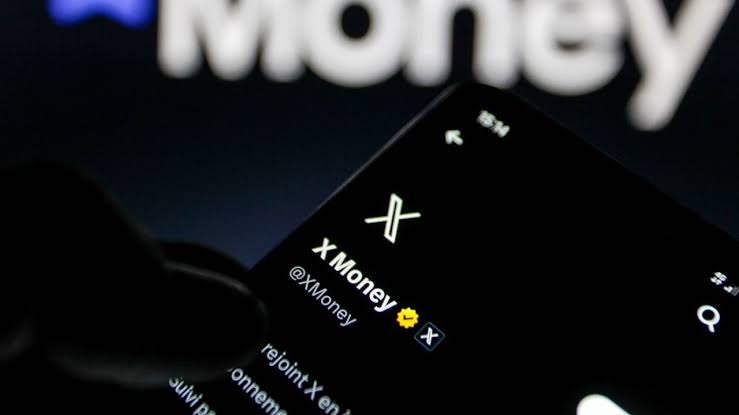
Elon Musk has taken a decisive step toward his long-held vision of transforming X into an “everything app” with the official launch of X Money, a financial services platform integrated directly into the social media network. After months of speculation and a period of invite-only beta testing, the service is now being rolled out to Premium and Premium+ subscribers across the United States.
X Money is not a bank in the traditional sense, but it offers a wide range of banking-like features that make it a strong competitor to established payment platforms like Venmo, Cash App, and Zelle. By bringing together high-yield savings accounts, peer-to-peer transfers, and a branded debit card with X’s large user base, Musk is betting he can mirror the success of China’s WeChat and build a single destination for communication, commerce, and financial transactions.
The Architecture of X Money
The backbone of X Money is provided by Cross River Bank, a New Jersey-based financial institution that has become a popular partner for fintech companies. This partnership model is common in the financial technology sector because getting a banking charter is both expensive and time-consuming. By using Cross River’s existing infrastructure, X can provide FDIC-insured deposit accounts up to $250,000 without having to deal with the full regulatory challenges of becoming a bank itself.
Beyond the standard FDIC coverage, X Money has set up a cash sweep program that can extend protection to as much as $10 million by spreading eligible balances each night across up to 40 participating FDIC-insured banks. This feature is ambitious, but it has raised questions among industry analysts who wonder about its long-term sustainability.
Key Features and Incentives
To bring in users to its new financial service, X is offering some of the most generous incentives in the digital payments market. The company is offering a 6% annual percentage yield on deposits, which is well above the 4-5% provided by most competitive high-yield savings accounts and much higher than the near-zero rates at traditional banks. Users also get a 3% cashback on eligible purchases made with the X-branded Visa debit card.
However, these appealing rates come with certain conditions. To earn the 6% yield, customers need to keep a minimum balance of $1,000 and subscribe to X’s Premium or Premium+ service, which costs at least $8 per month. Industry analysts have pointed out that keeping such a high yield could be difficult for X in the long run.
The X Money account offers a full range of banking features, including:
- Real-time peer-to-peer transfers between X users
- Direct deposits up to two days before payday
- Wire transfers and paper checks
- A physical X Money metal card with customizable features
- Apple Pay integration through Apple Wallet
Security and User Protection
Security has been built into X Money from the ground up, according to the company. Accounts are protected using passkeys, letting users authenticate transactions without relying on passwords that could be stolen or compromised. Users can also set custom transaction limits and require extra verification for selected payments. All card transactions are covered by Visa’s fraud detection and risk management systems.
New users who join the service might also get a $15 welcome deposit as an extra incentive. The service is currently available to adult U.S. residents with an X account and a verified U.S. phone number who are subscribed to X Premium or Premium+.
The Regulatory Landscape
The launch of X Money has not been without controversy. Senator Elizabeth Warren, the top Democrat on the Senate Banking Committee, has raised concerns about how X Money will generate enough revenue to keep up its high-yield offerings. In an April letter to Musk, she also mentioned past FDIC enforcement actions against Cross River Bank over lending practices.
Additionally, X has not yet obtained money transmitter licenses in New York and Massachusetts, two of the country’s largest financial markets. New York legislators have urged the state’s Department of Financial Services to hold back a license, pointing to concerns related to Musk’s involvement with payment competitors during his time at DOGE. These regulatory hurdles could limit the service’s initial reach and create challenges for nationwide expansion.
The Competitive Landscape
X Money enters a crowded and competitive digital payments market dominated by PayPal’s Venmo, Block’s Cash App, and Zelle. These established players have significant market share and brand recognition, making it tough for new entrants to gain traction. Still, X believes its integration with a social media platform with millions of active users gives it a unique advantage.
“When I say payments, I actually mean someone’s entire financial life…If it involves money, it’ll be on our platform,” Musk said during a 2023 staff meeting. This vision covers not just peer-to-peer transfers but also savings accounts, investment services, and possibly more advanced financial products over time.
The initial invite-only rollout to Premium subscribers could limit adoption in the short term, but it also creates a sense of exclusivity and buzz around the product. Unlike many fintech platforms, X Money has launched without cryptocurrency features, which is a notable omission considering Musk’s long-standing ties to the crypto industry.
The “Everything App” Vision
The launch of X Money is the result of Musk’s decade-long ambition to create a financial super app, a vision that goes back to his first major business success: X.com, one of the earliest online banking companies that later merged with what became PayPal. After acquiring Twitter and rebranding it as X, Musk has repeatedly stated his desire to create a platform that resembles China’s WeChat, a single app used for messaging, shopping, payments, and much more.
“Rather than do the slow ramp-up to offering a physical card product, X has gone straight in with a full product rollout,” noted Ben Danner, Senior Analyst at Javelin Strategy & Research. “It’s demonstrative that the playbook has changed for digital apps; physical cards are still a requirement if you want customers using the account at the point of sale”.
Conclusion
X Money represents a bold bet on the future of social media and digital finance. By offering industry-leading yields and seamless integration with a social platform, X is trying to create a new category of financial service that brings together banking, payments, and social networking. The service positions X to compete with established payment apps while drawing on its existing user base of millions.
However, significant questions remain. Can X sustain its generous yield and cashback offers in the long term? Will the company be able to handle the complex regulatory landscape that has already drawn scrutiny from lawmakers? And most importantly, can X convince its users to trust it with their financial lives?
For now, X Money is an ambitious and potentially disruptive entry into the digital payments market. Whether it can truly become “the new bank of Elon Musk” and the financial backbone of the everything app will depend on its ability to execute, innovate, and build trust with users. The company is entering a competitive market filled with established players, but with its unique mix of social media reach and financial services, X Money could change how people manage their money in the digital age.
ZOE BRIGHTON